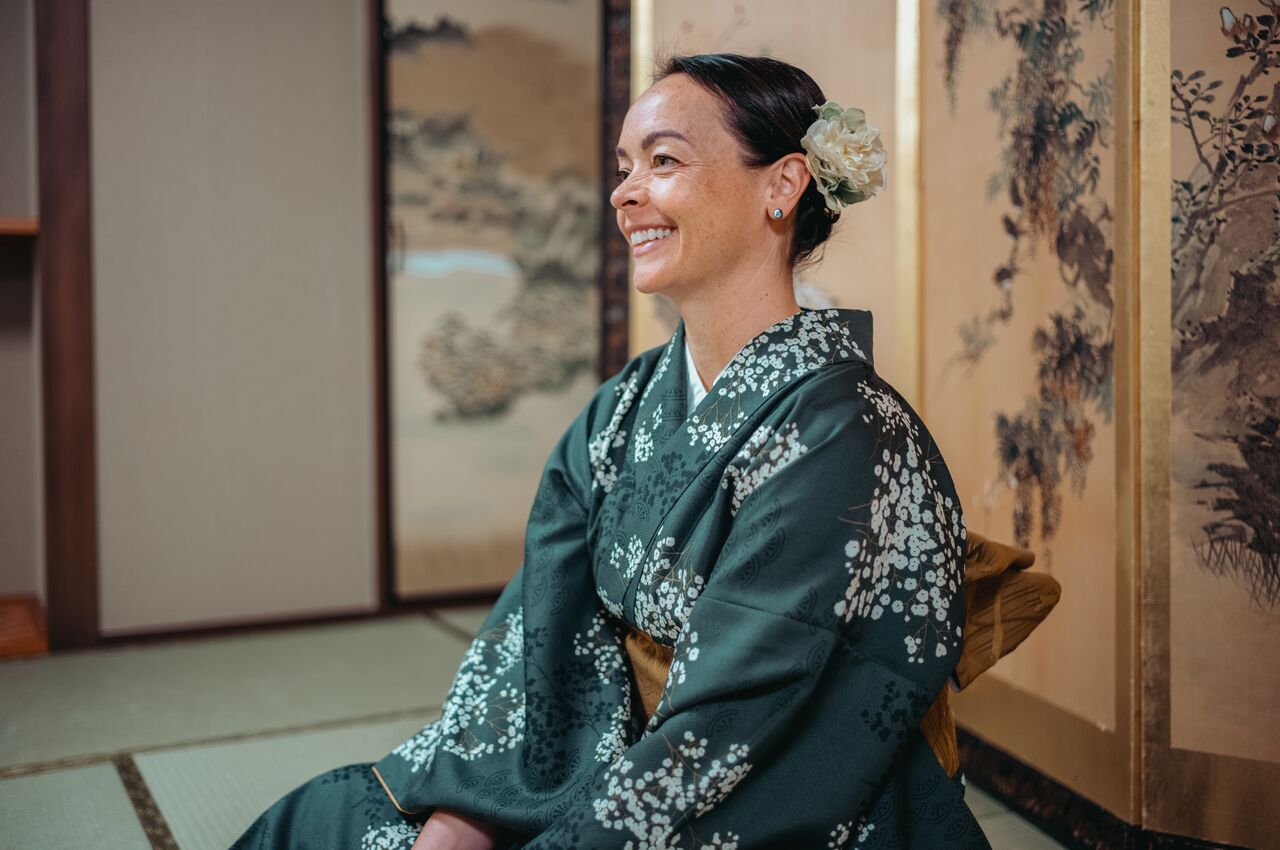
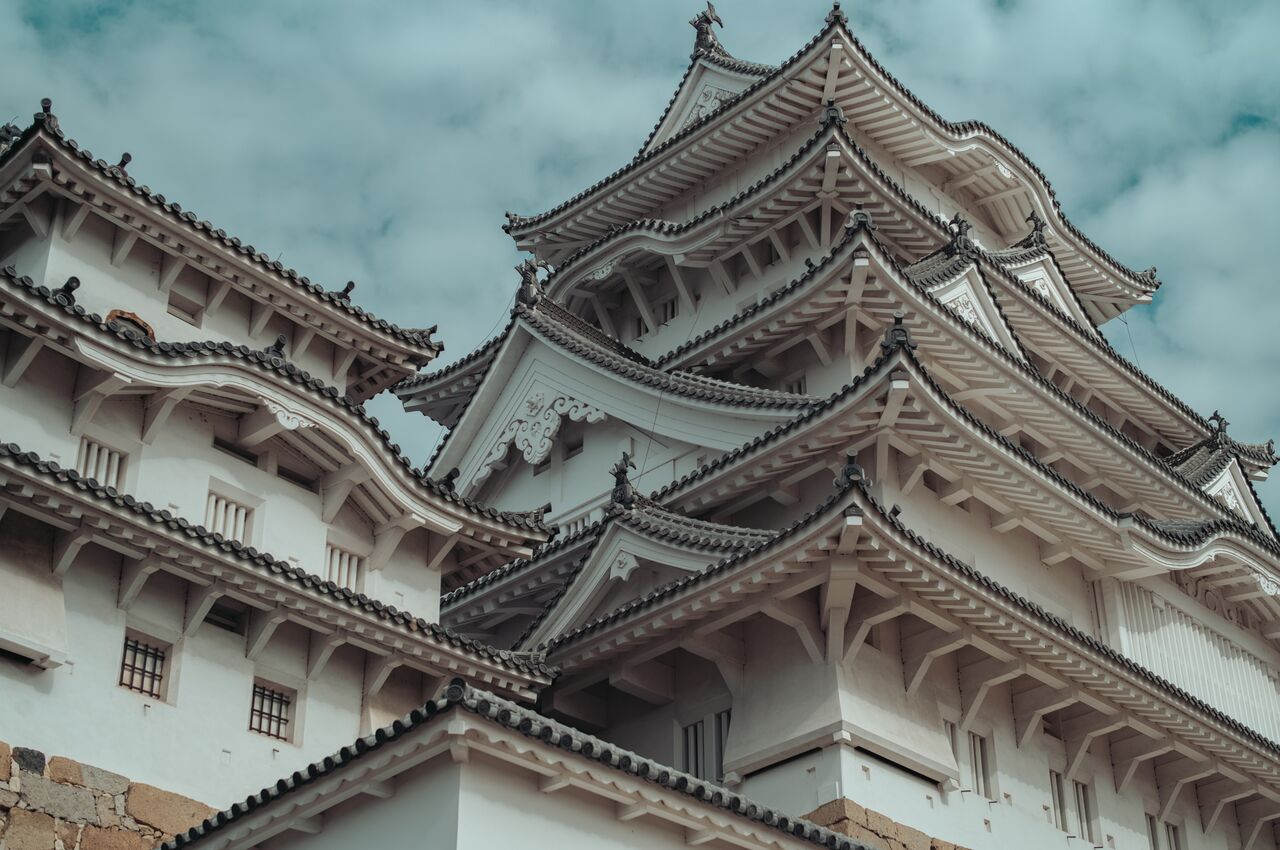
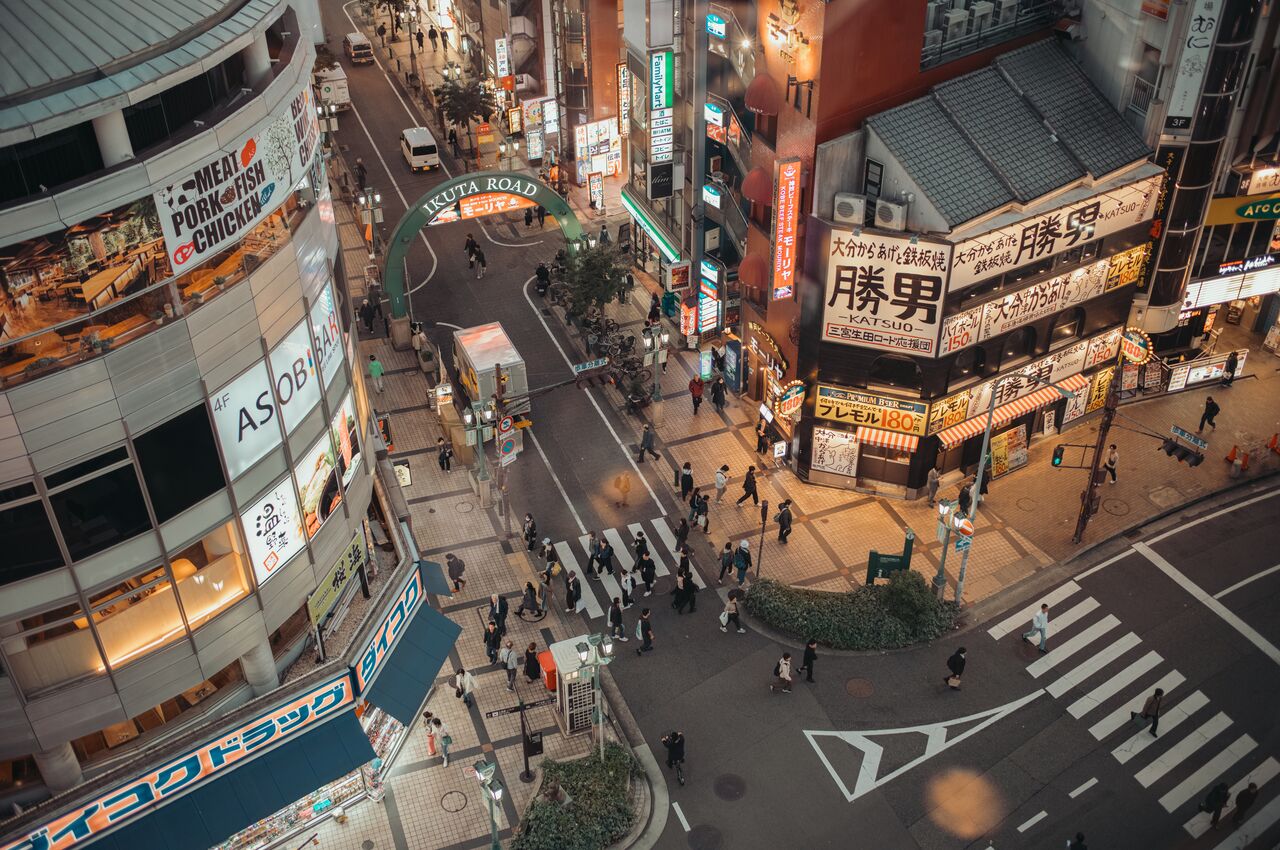
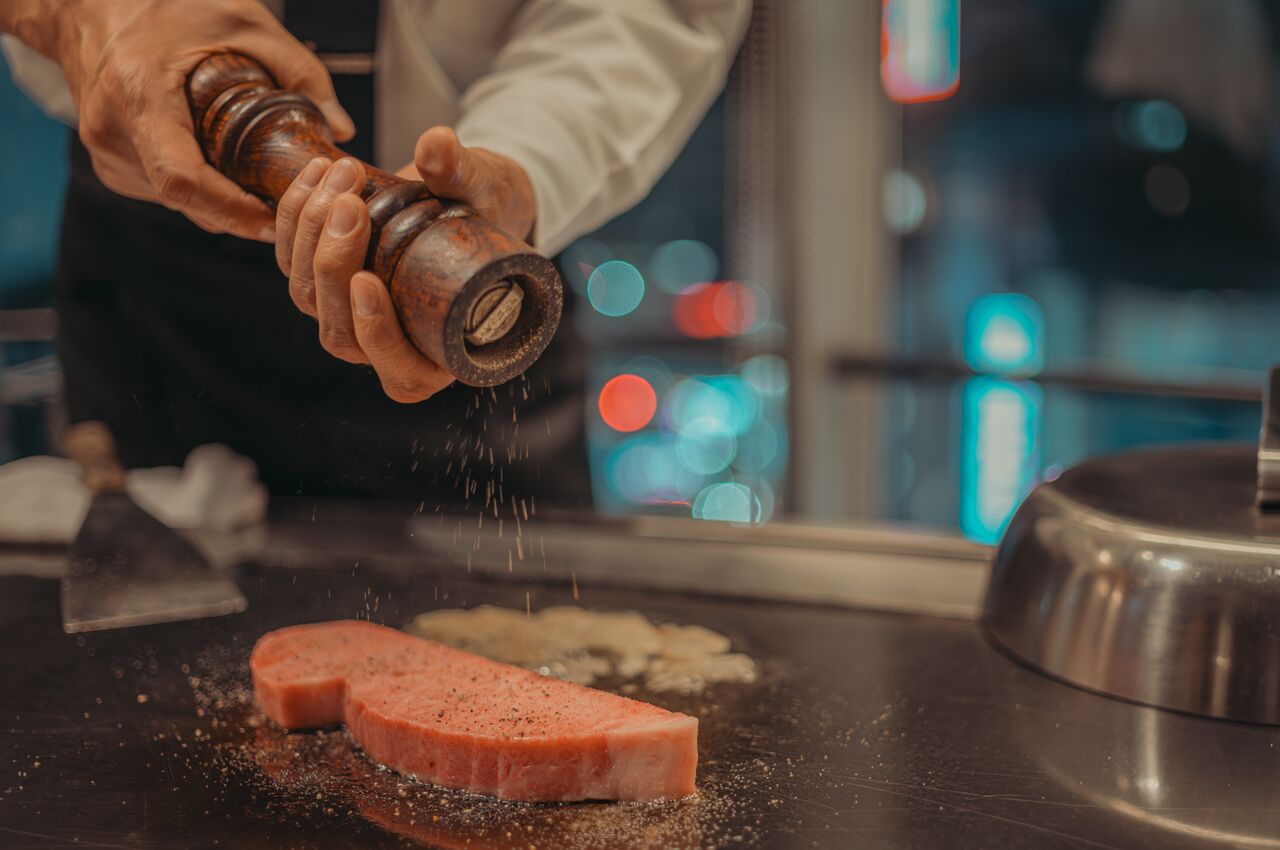
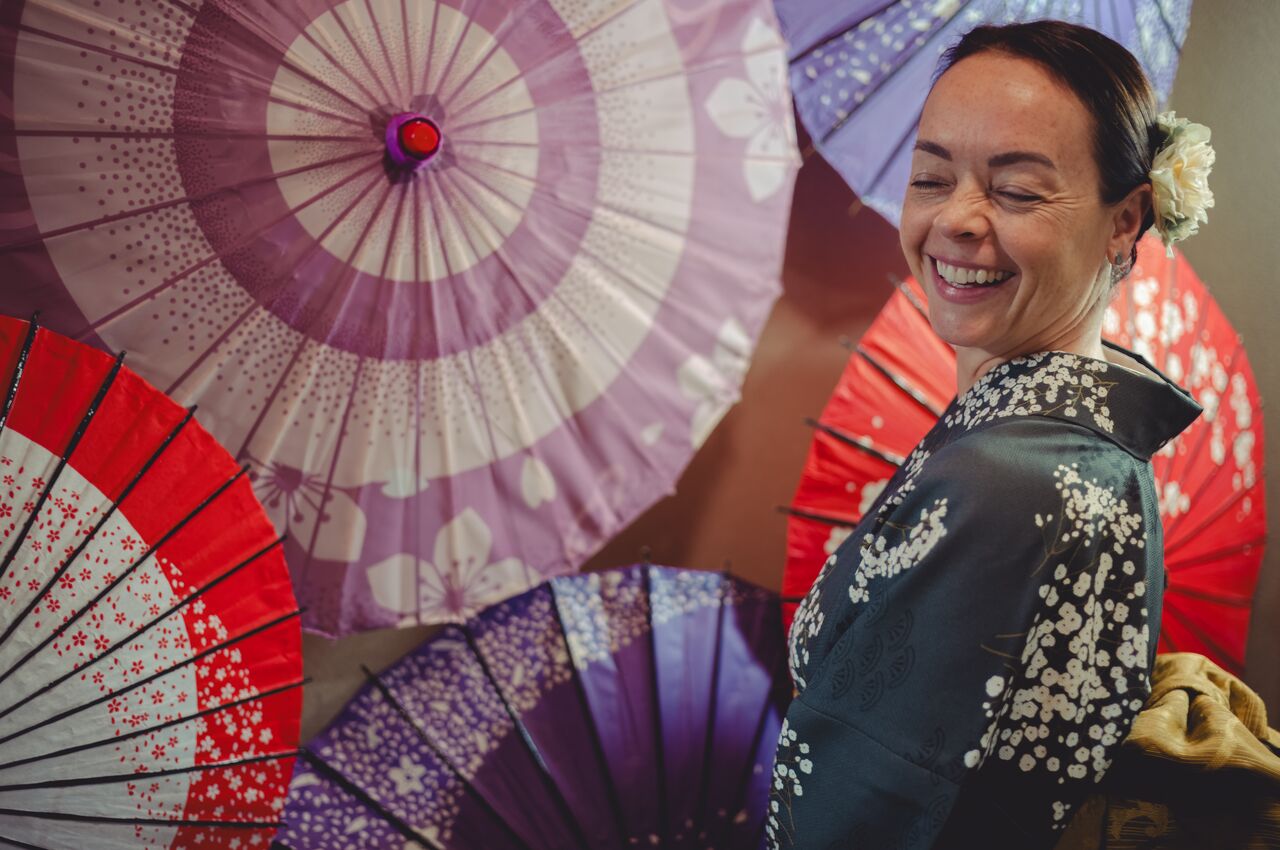
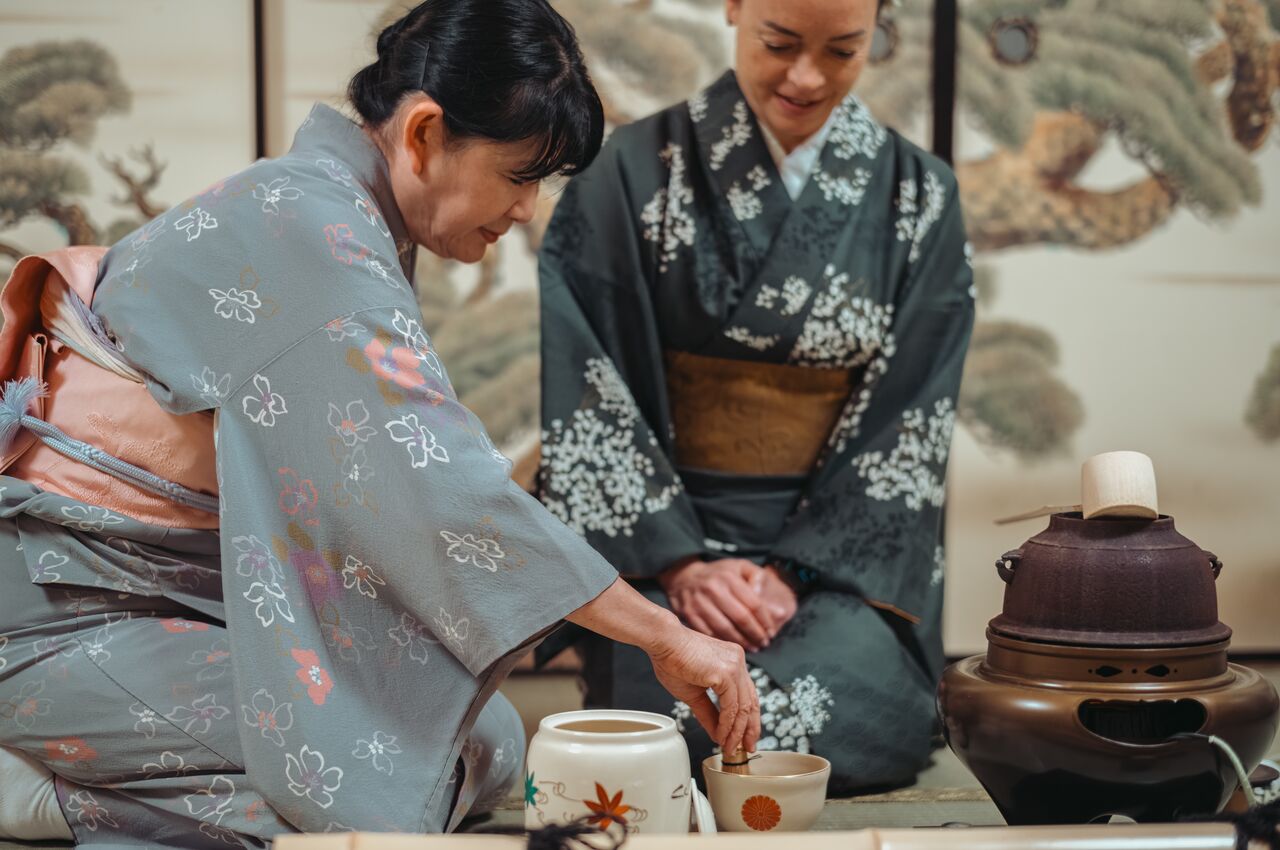
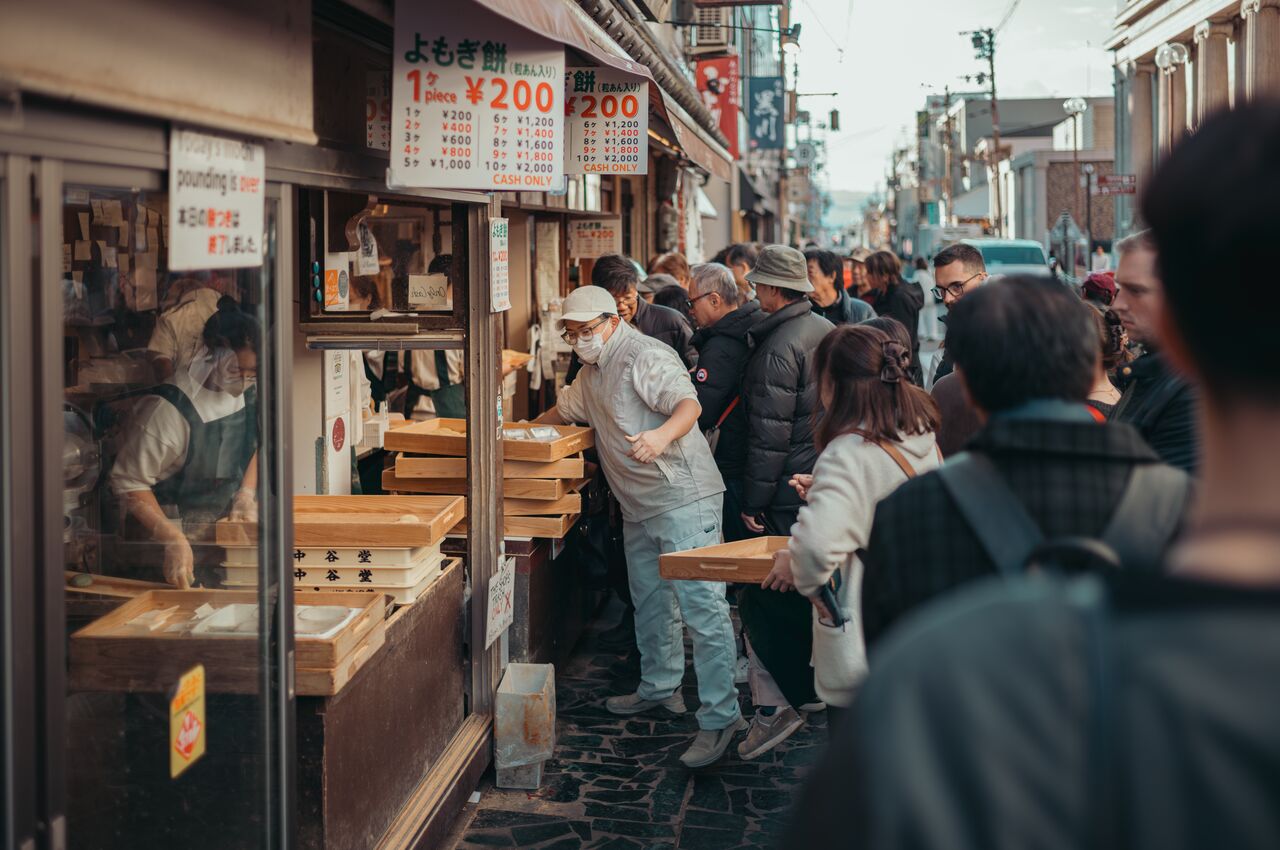
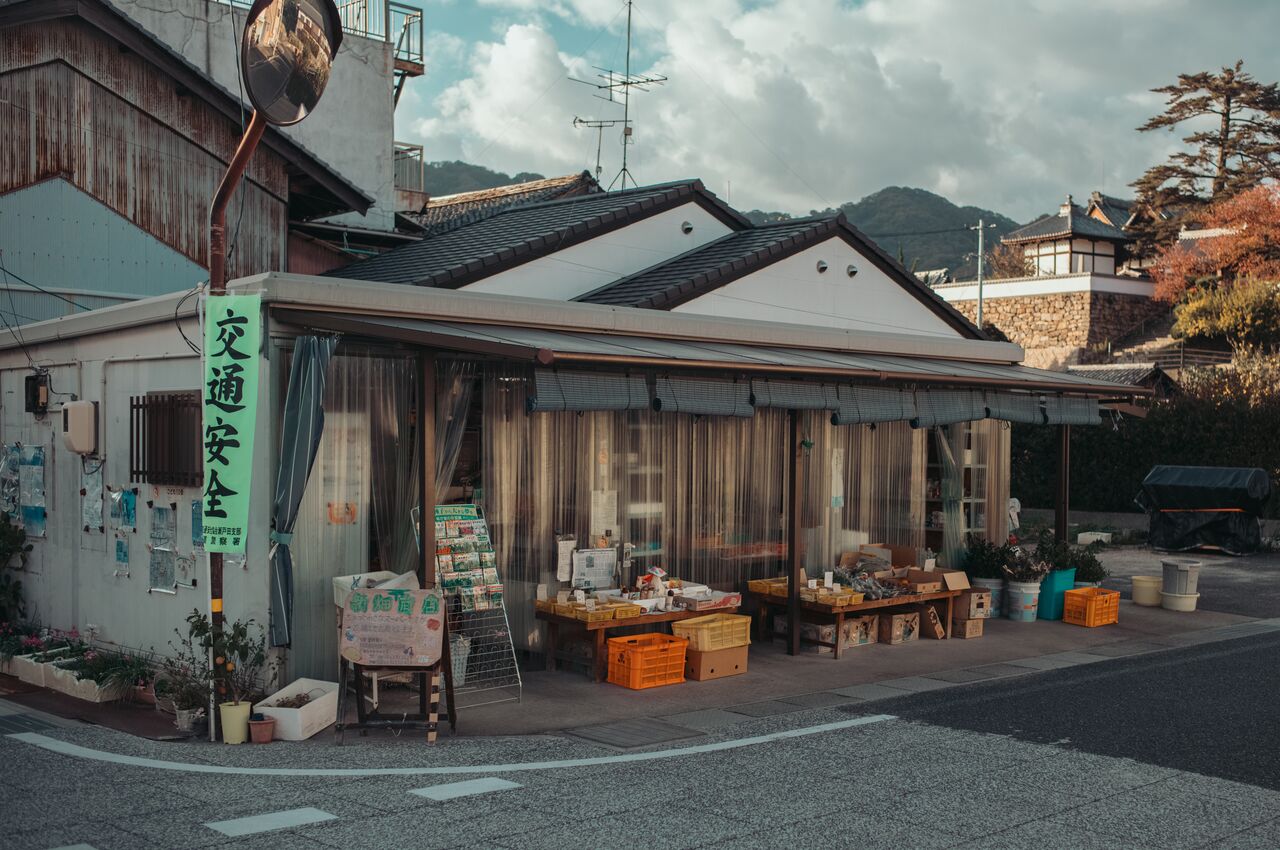
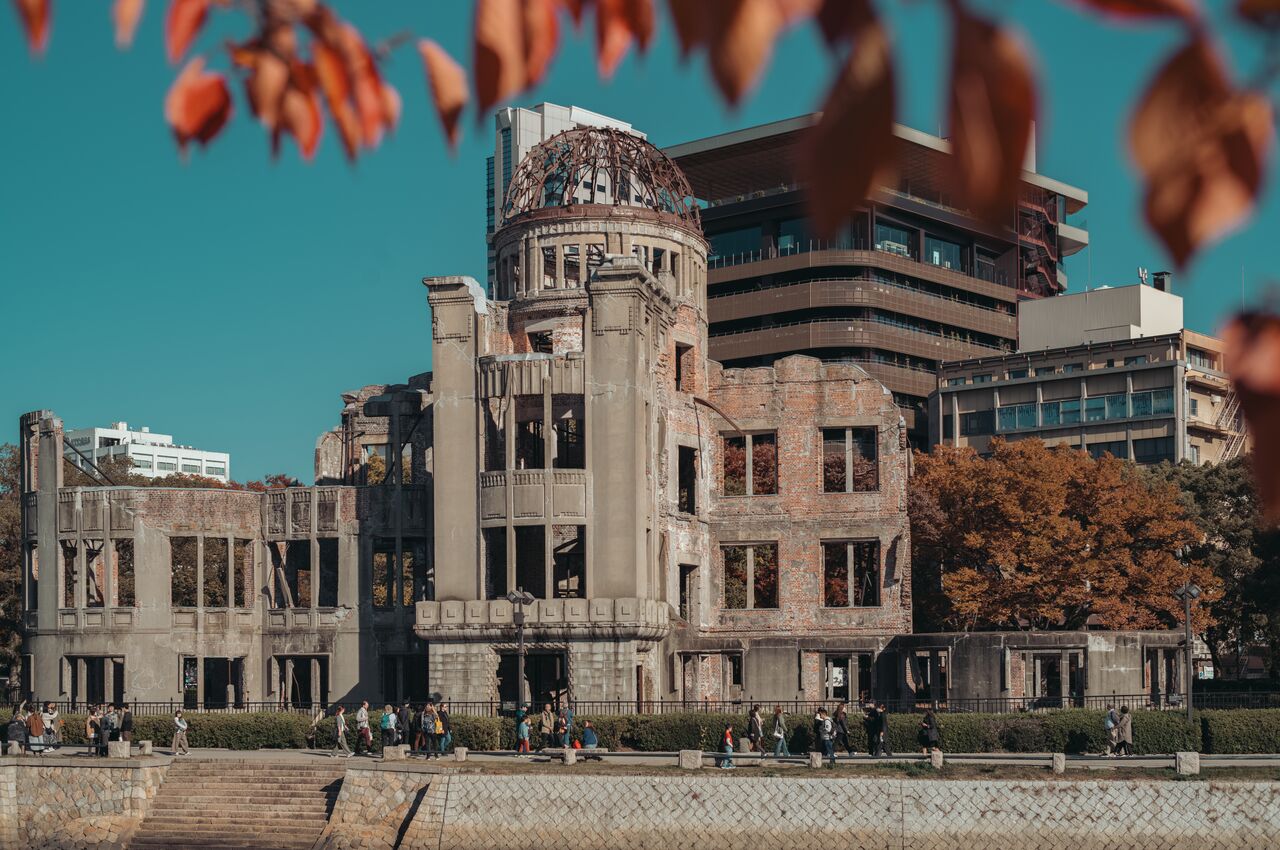
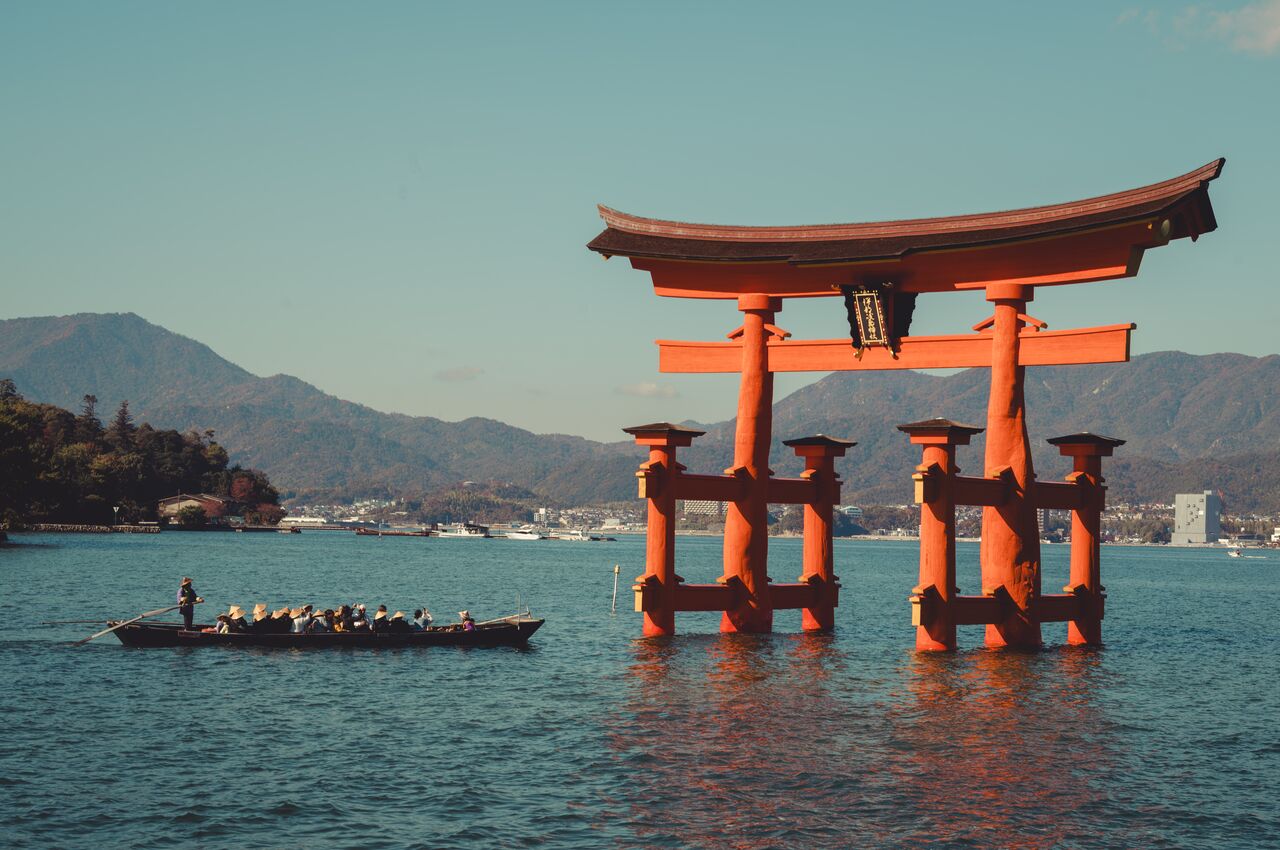
Dressed in a kimono for a tea ceremony in Tokyo, Japan.Himeji Castle is one of the few major Japanese castles that survived fires, earthquakes, and World War II bombings.I've been to Japan four times to visit our Acquia office, meet with customers and partners, and speak at Drupal events. Over the years, I've come to appreciate the country's "quiet energy". There is something about it, and this photo from Kobe captures that feeling for me.Tasting A5 Kobe beef in Kobe, Japan, seared in front of us teppanyaki-style. The photo was taken at Misono, the restaurant that invented teppanyaki in 1945.Dressed in a kimono for a tea ceremony in Tokyo, Japan.We learned to make matcha as part of a traditional tea ceremony in Tokyo. Every gesture has meaning, even the way you hold the bowl.A small crowd in front of a popular mochi shop in Nara, Japan, where fresh rice cakes are made on the spot.We stopped at this small grocery store in Setoda, run by an elderly woman. She struggled to lift a bottle of water into a shopping bag. Setoda is beautiful, right on the water, but many young people have left. It's kept alive by the people who stayed, most of them older.We visited the A-Bomb Dome in Hiroshima, one of the few buildings that survived the 1945 atomic blast. Everything around it for more than a mile was destroyed, but the Dome remained standing because the bomb exploded almost directly above it. They left it unrepaired so the damage would speak for itself.Inside the Hiroshima Peace Memorial Museum in Hiroshima, visitors look at a photograph of a child hurt in the atomic bombing. The yellow hats belong to schoolchildren on a field trip. I wondered what goes through their minds in such a heavy place.A busy night in Dotonbori, the famous entertainment and street food district in Osaka.The great torii gate on Miyajima Island marks the entrance to the shrine's sacred area. It's one of Japan's most recognizable landmarks and a UNESCO World Heritage Site. I would love to come back one day to photograph it at sunrise or sunset.