Life beyond social media: a more intentional way to share photos
Sharing photos on a personal website instead of Instagram, using an RSS feed and a monthly newsletter to stay connected without tracking.
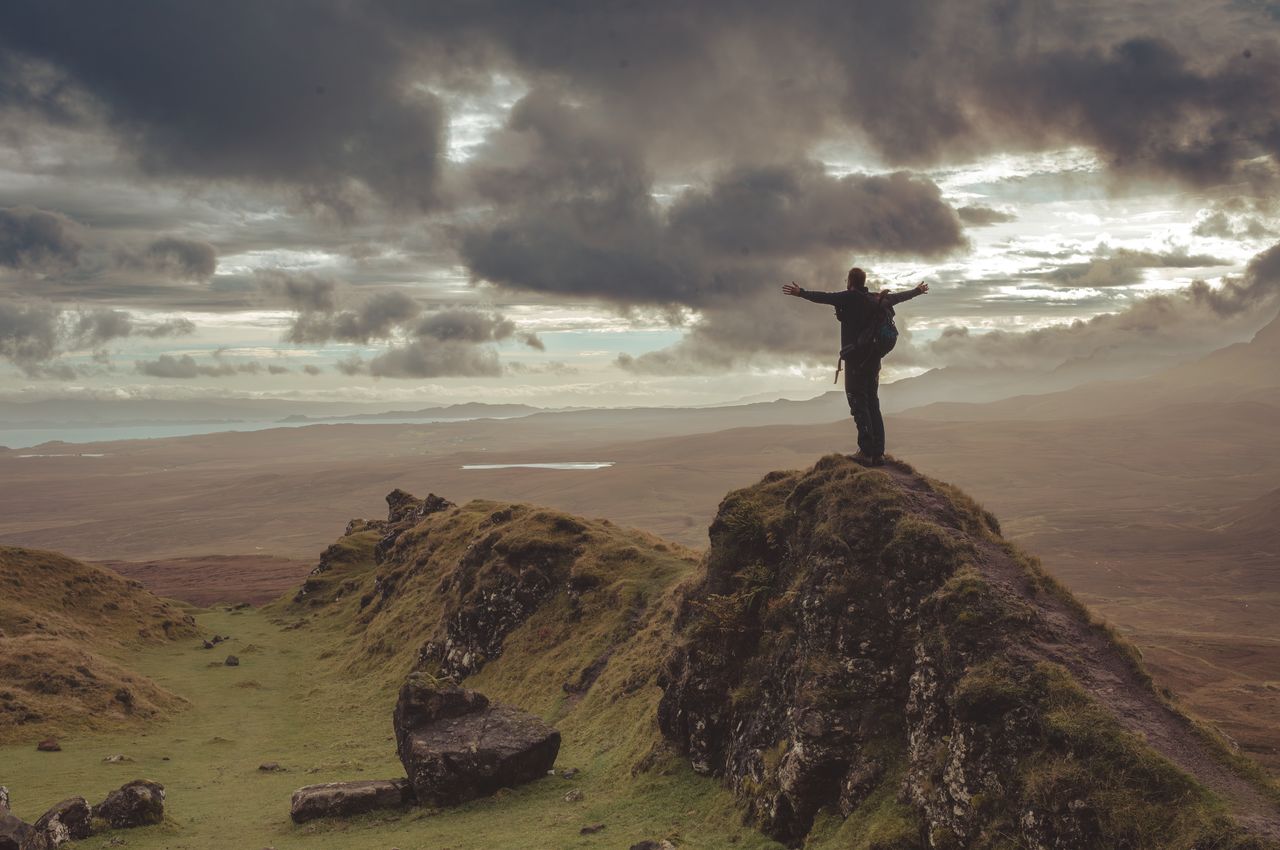
Several years ago, I built a photo stream on my website and pretty much stopped posting on Instagram.
I didn't like how Instagram made me feel, or the fact that it tracks my friends and family when they look at my photos. And while it was a nice way to stay in touch with people, I never found a real sense of community there.
Instead, I wanted a space that felt genuinely mine. A place that felt like home, not a podium. No tracking, no popularity contests, no clickbait, no ads. Just a quiet corner to share a bit of my life, where friends and family could visit without being tracked.
Leaving Instagram meant giving up its biggest feature: subscribers and notifications. On Instagram, people follow you and automatically see your posts. On my website, you have to remember to visit.
To bridge this gap, I first added an RSS feed for my photos. But since not everyone uses RSS, I later started a monthly photo newsletter. Once a month, I pick my favorite photos, format them for email, and send them out.
After sending five or six photo newsletters, I could already feel my motivation fading. Each one only took about twenty minutes to make, but it still felt like too much friction. So, I decided to fix that.
Under the hood, my photo stream runs on Drupal, built as a custom module. I added two new routes to my custom Drupal module:
/photos/$year/$month: shows all photos for a given month, with the usual features: lazy loading, responsive images, Schema.org markup, and so on./photos/$year/$month?email=true: shows the same photos, but stripped down and formatted specifically for email clients.
Now my monthly workflow looks like this: visit /photos/archive/2025/09?email=true, copy the source HTML, paste it into Buttondown, and hit 'Send'. That twenty-minute task became a one-minute task.
I spent two hours coding this to save nineteen minutes a month. In other words, it takes about six months before the time saved equals the time invested. The math checks out: 120 / 19 ≈ 6. My developer brain called it a win. My business brain called it a write-off.
But the real benefit isn't the time saved. The easier something is, the more likely I am to stick with it. Automation doesn't just save time. It also preserves good intentions.
Could I automate this completely? Sure. I'm a developer, remember. Maybe I will someday. But for now, that one-minute task each month feels right. It's just enough involvement to stay connected to what I'm sharing, without the friction that kills motivation.
Join 5,000+ readers. I'm the founder of Drupal and co-founder of Acquia. I write about Open Source, AI, and the future of the web, with a focus on building, scaling, and thinking long-term.